
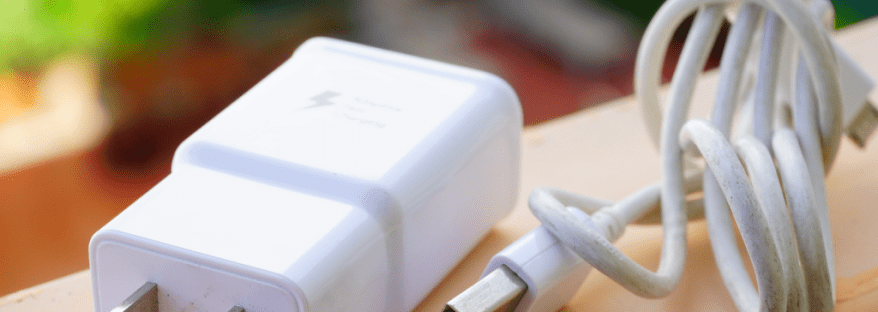
Last night, I needed my phone charger.
Simple enough, right?
Except I made three trips to the office before I ever got it.
- Trip 1: I saw food left out in the kitchen. My brain latched on. “This needs to be handled.” So I handled it.
- Trip 2: I heard Big Mac. He was still up—he hadn’t taken his meds. That became the new priority.
- Trip 3: I finally got what I originally came for: my phone charger.
And somewhere between trips two and three, it hit me.
This is how my brain has always worked.
🧠 First Grade Was the First Clue
I was diagnosed with ADHD in first grade, in Mrs. Miles’ class.
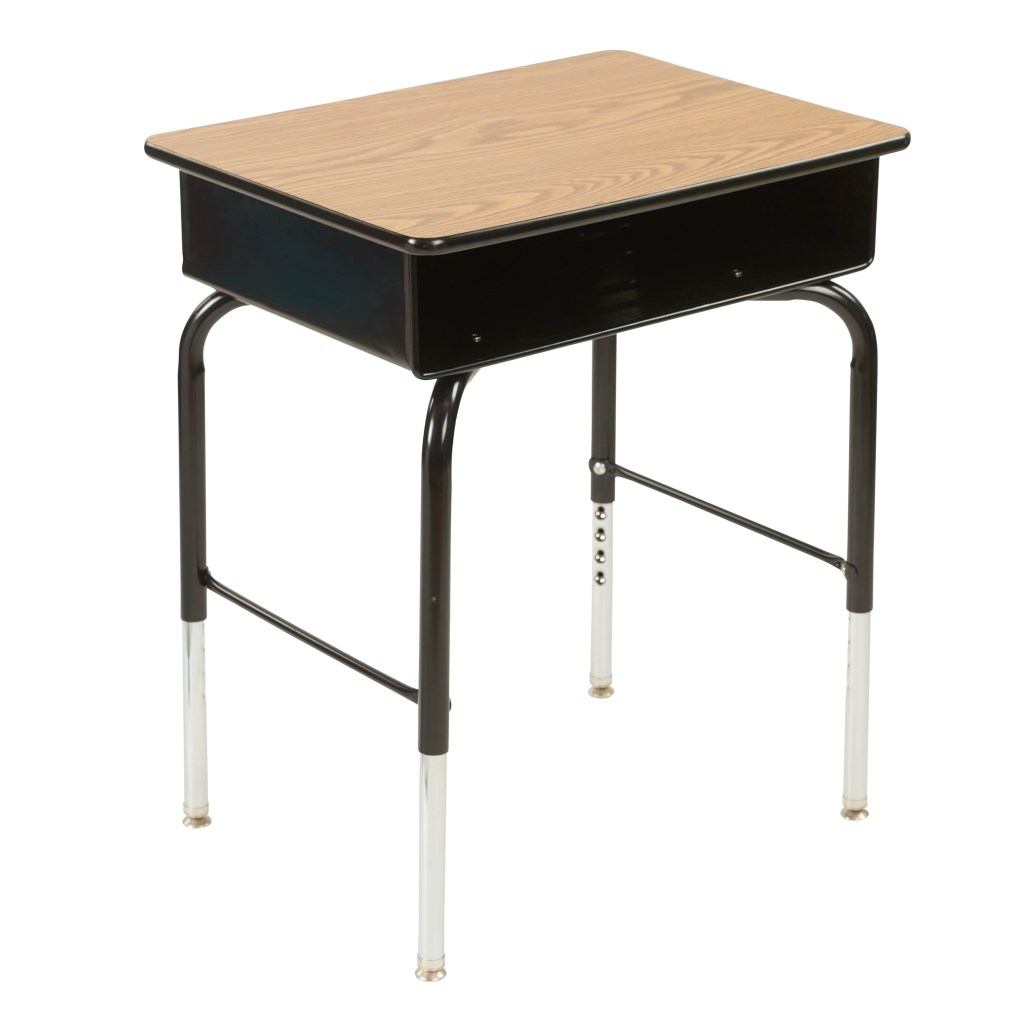
But instead of support, I was pulled away from my classmates and placed at a separate desk.
They said it was to help me focus.
What it really did was label me, without a word.
No fidgets. No flexibility. Just isolation and pressure.
“Sit still. Focus. Try harder.”
That was the first time I remember feeling like I didn’t belong.
And the bullying? It followed fast and hard.
✨ The Exception
But not every classroom was a battlefield.
In 2nd and 4th grade, I had Mr. Lane.
He always met me where I was.
He didn’t shame me for how my brain worked—he adjusted.
He was calm. Creative. Patient.
He was my Mrs. Jones. The kind of teacher who stays with you long after the spelling tests are gone.
And it was in his class—the last week of 4th grade—that I finally started ADHD medication.
It didn’t fix everything, but it was the first time something lifted—the fog, the shame, the sense that I was just lazy.
For once, I could focus, and someone saw me instead of a problem.
In a blur of years where I was too much for most, Mr. Lane made me feel just right.
🪙 The Tokens
By fifth grade, in Ms. Arnold’s class, everything had gotten harder.
Puberty had started. My cycle had begun. Hormones were raging—and my ADHD symptoms intensified.
Her intentions weren’t unkind, but the system? It still missed the mark.
Their solution?
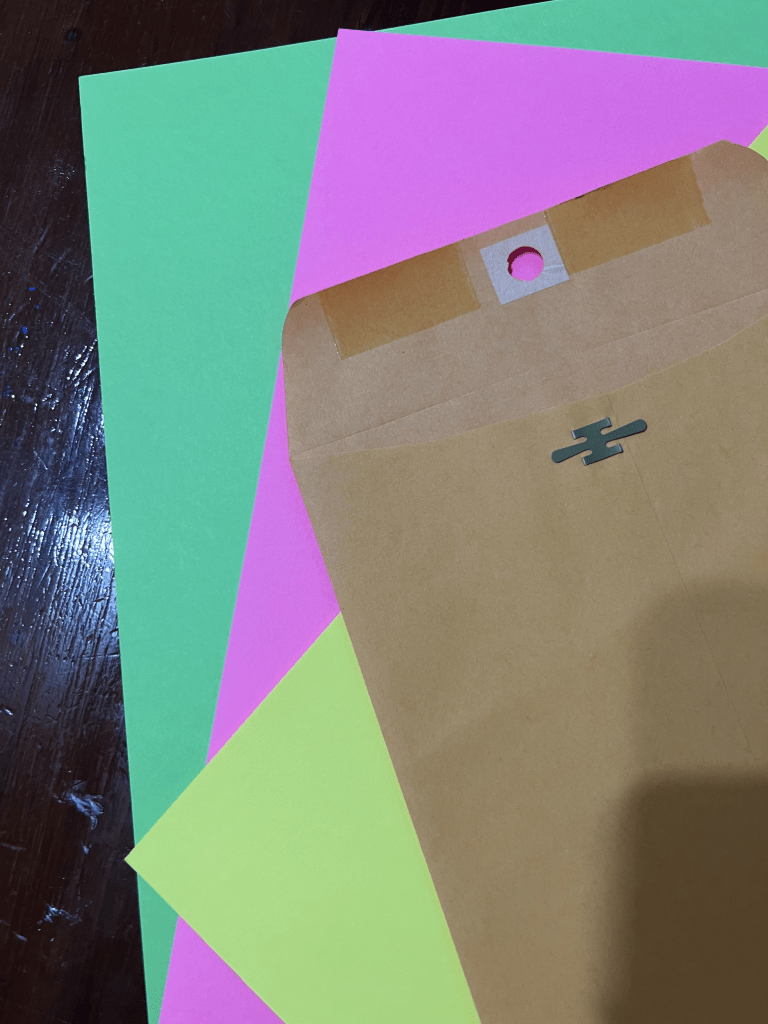
A manila envelope filled with three jagged squares of neon posterboard, cut hastily and uneven.
That was my limit:
- Three times I could get out of my seat.
- Three questions I could ask.
If I didn’t use them, I could save them.
Behavioral currency for basic needs.
This wasn’t support.
It was containment.
I didn’t need restrictions.
I needed understanding.
Instead, I got scraps of neon paper.
🔥 Fire #1 – The School
In fifth grade, I was outside playing when I heard the fire alarms blaring from the school.
We lived close enough that I could hear them from the yard—and when they didn’t stop, we went to see what was going on.
My school was on fire.
We later learned it was arson—someone had broken in with a blowtorch and set it.
Our class was displaced for the rest of the year.
We were first moved into the old multipurpose room, then into portables.
Nothing felt normal.
Nothing felt safe.
I had just started ADHD medication a few months earlier, at the end of 4th grade with Mr. Lane.
But it was hard to tell what was working when everything around me was on fire—figuratively and literally.
🔥 Fire #2 – A Flashback I’ll Never Forget
On my 13th birthday—January 7th—I was in the last period of the school day when I heard the sirens:
Fire trucks. So many of them.
As I walked home, I saw the trucks lining the street.
I saw smoke rising above my neighborhood.
Then I turned the corner.
Our car was pushed up on a neighbor’s lawn—my mom had driven it there herself after seeing the smoke, rushing to reach the house and check on my brothers.
They had gotten home before me and followed our plan, running to the neighbors across the street.
And then I saw it:
Our building.
The two upper units were on fire.
Our ground-level home didn’t burn—but it was filled with smoke and flooded with water. Everything we owned was damaged.
We couldn’t stay.
We moved in with my grandparents.
I slept on a mattress in the formal dining room.
It wasn’t just what we lost.
It was how fast we had to leave it behind.
👀 Then My Son Looked at Me
Fast forward.
Big Mac— our son with autism—looked at me one day and said:
“Mama… maybe you’re like me.”
And I haven’t stopped thinking about it since.
Maybe it wasn’t just ADHD.
Maybe I’ve spent my whole life masking something more.
The sensory overload. The rigidity. The shutdowns.
The way I get so overstimulated I forget what I was doing in the first place.
Maybe it’s not forgetfulness.
Maybe it’s a lifetime of trying to act “normal” while quietly unraveling inside.
🦖 Don’t Step on a Crack
I saw the plan.
The desk chart. The new rules.
The quiet spaces that looked a lot like isolation in disguise.
And I saw my son—about to fall into the same cracks I had fought so hard to crawl out of.
Virtual learning didn’t feel safe.
It felt familiar.
“Don’t step on a crack, or you’ll fall and break your back.”
I used to think it was just a rhyme.
Now I know—it was a warning.

💬 What I Know Now
I may never have a paper diagnosis.
But I have a brain that keeps revealing more of its story every day.
I met with my therapist yesterday and told her about the blog.
I talked about what I’m starting to write, and the memories that won’t stop coming.
She told me what I’m doing is amazing.
She said this work is healing.
She’s encouraged me to journal my trauma before, but I’ve always said the same thing:
“I hate writing.”
I didn’t want to sit with it. I didn’t want to re-live it.
But this—this is different.
This is witnessing.
This is me giving voice to stories I’ve carried in silence for too long.
Stories I’ve only just begun to speak out loud.
Even Sparkey hasn’t heard them all.
Until now, I had only shared my pain story—and Small Fry’s birth.
But now they’re spilling out.
And I’m not trying to stop them.
Because I remember what it felt like to fall through the cracks.
And I’m building something steadier—for our boys, for our family… and maybe for me, too.


 Simple Southern Mommy